DATA
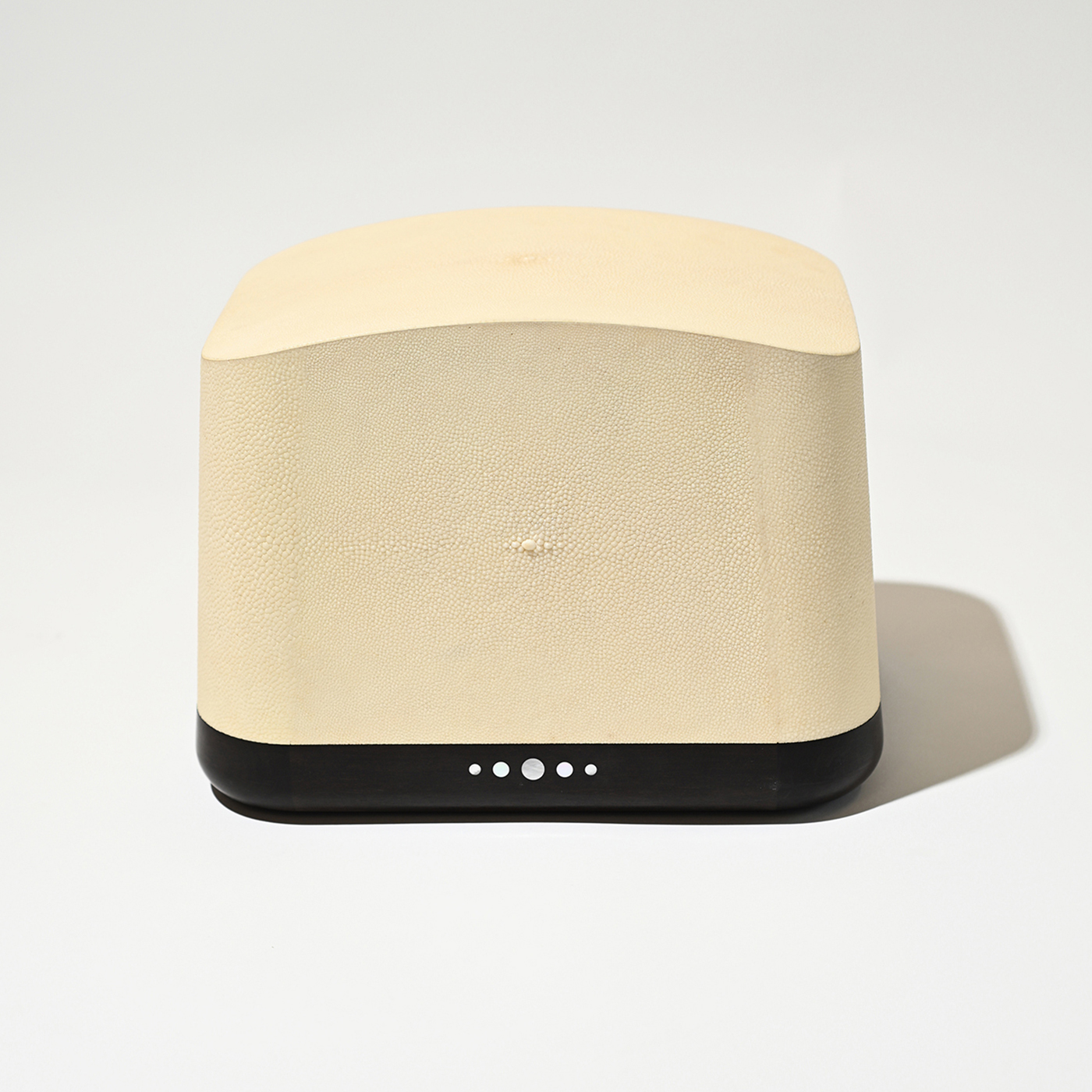
A server box for your precious digital data
DATA - Box
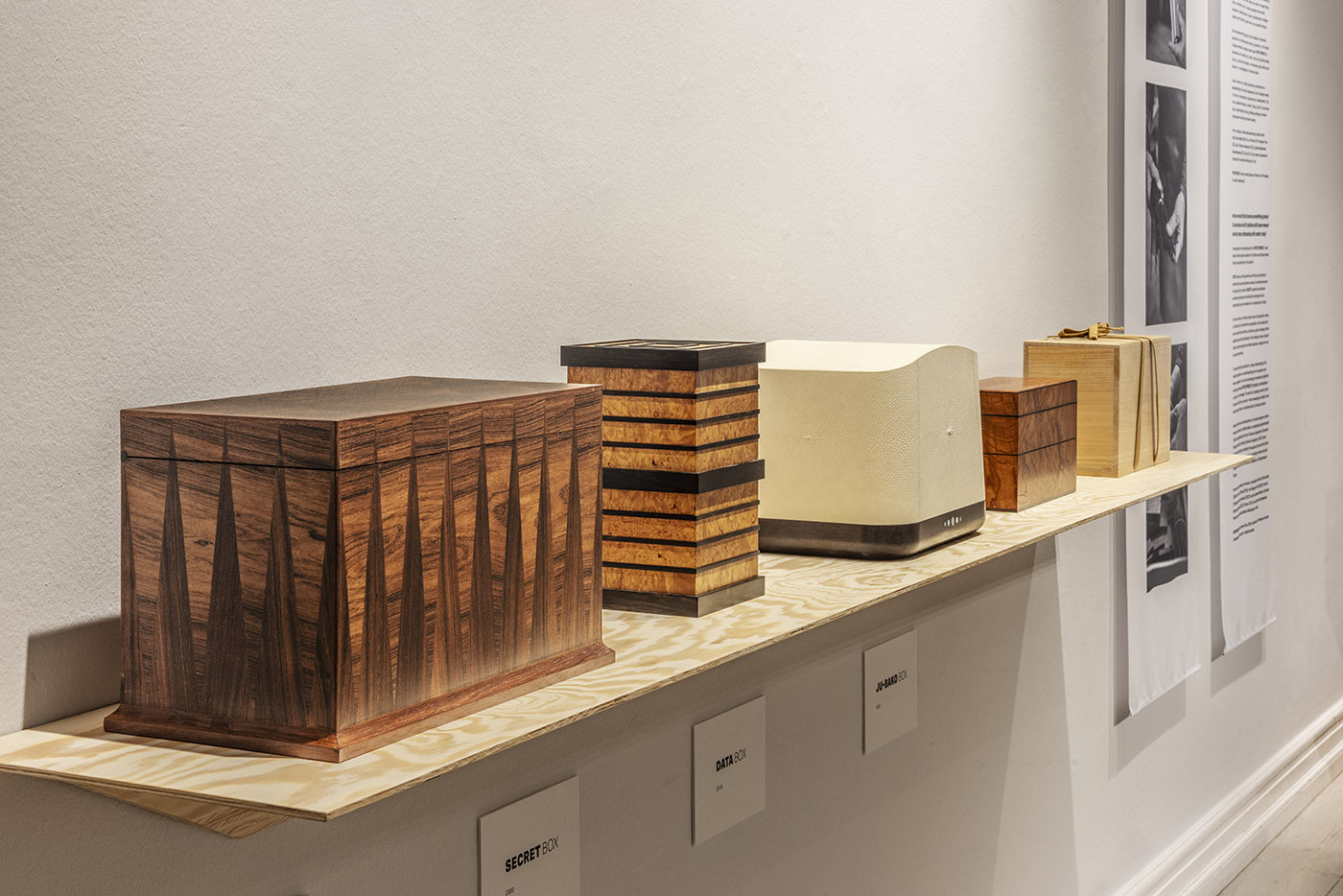
This piece is a celebration of the cabinetmaking tradition of placing advanced technological devices, such as microscopes, cameras, radios and television sets into beautifully hand-crafted cases. It was featured in an exhibition on creating a container for your most treasured belonging.
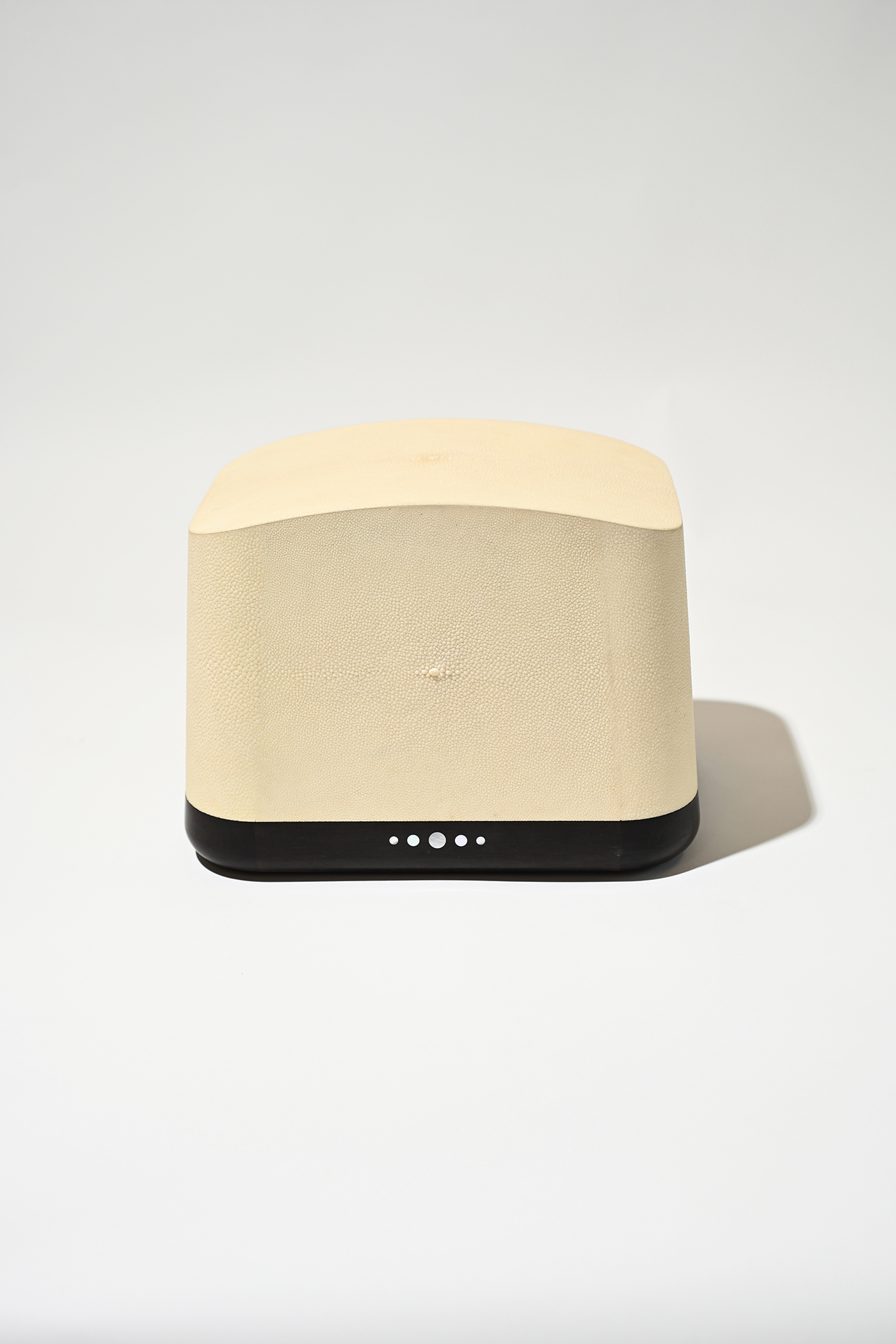
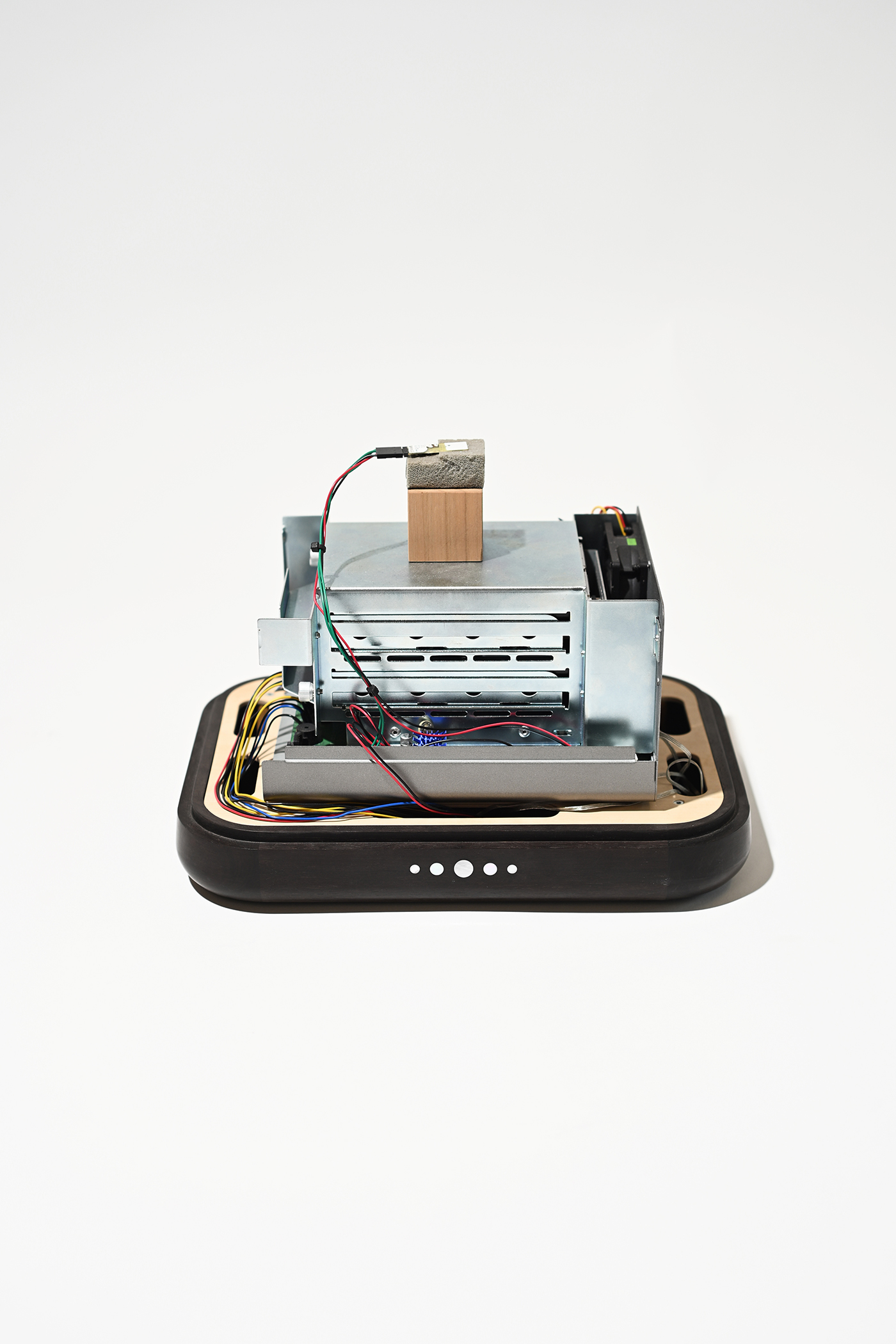
The box contains the owner’s precious personal data, which can be accessed via the internet. When it was made, the latest new technology was NAS servers, but when that technology becomes obsolete, it can be updated. Behind the mother-of-pearl discs on the front of the box, there are LEDs that signal the server’s functions when it’s on. Underneath the server, there are cooling fans.
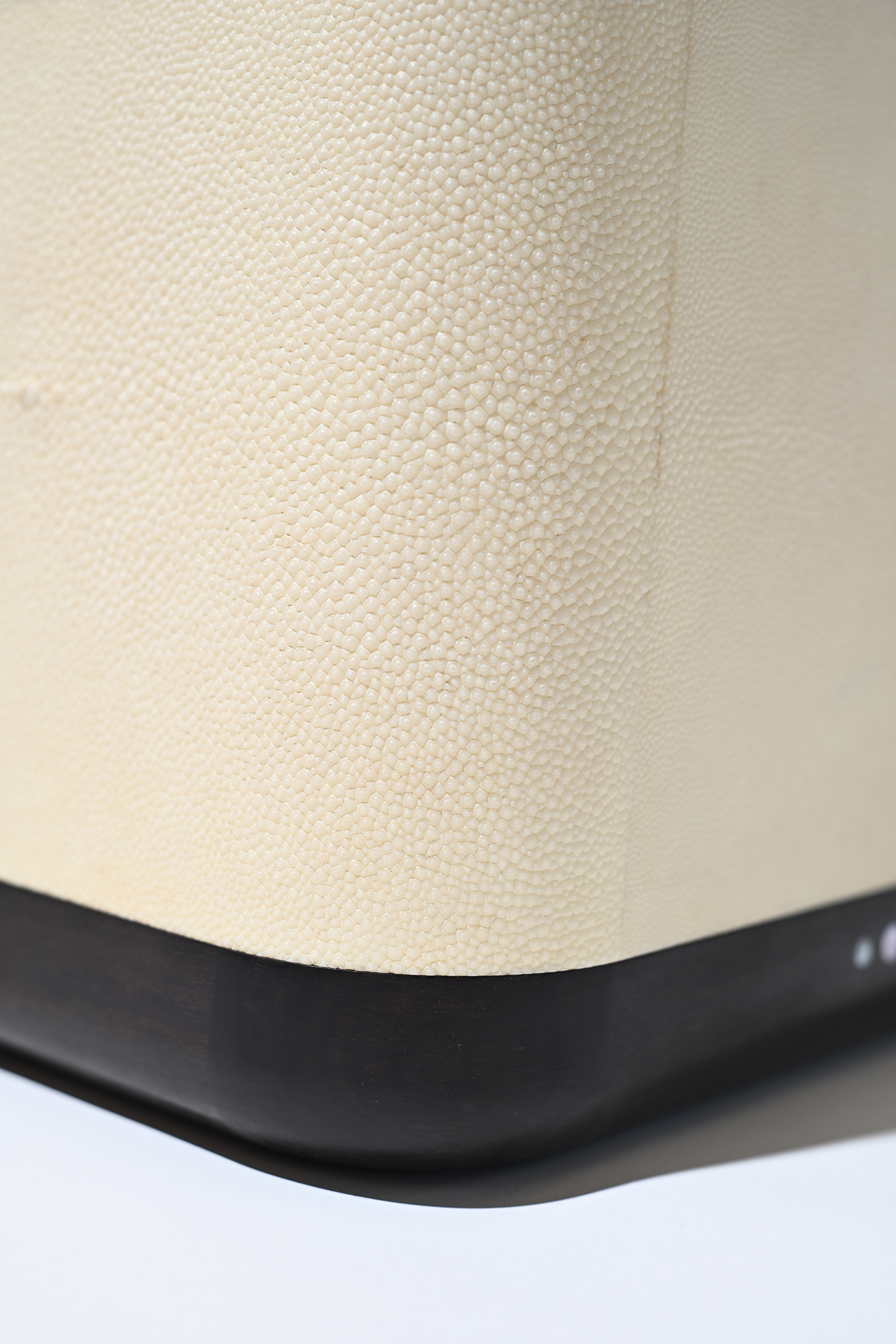
The top part of the box is clad with stingray skin, called shagreen, a fascinating and unusual natural material. The white beads in the skin consist of the same material as teeth and are very hard. They probably work as a sort of armour but also help reduce water resistance when the fish moves. The large bead in the middle of the skin is a sort of sensor, I think, that lets the stingray detect movements in the water. Polishing the beads brings an amazing quality to them that is reminiscent of ivory.
Included in ‘My Precious’, the Danish Cabinetmakers’ Association,Designmuseum Danmark, 2010 and OFFCUT/RECUT solo exhibition OFFICINET copenhagen 2026
INSPIRATION: GALUCHAT - PARIS · FRANCE
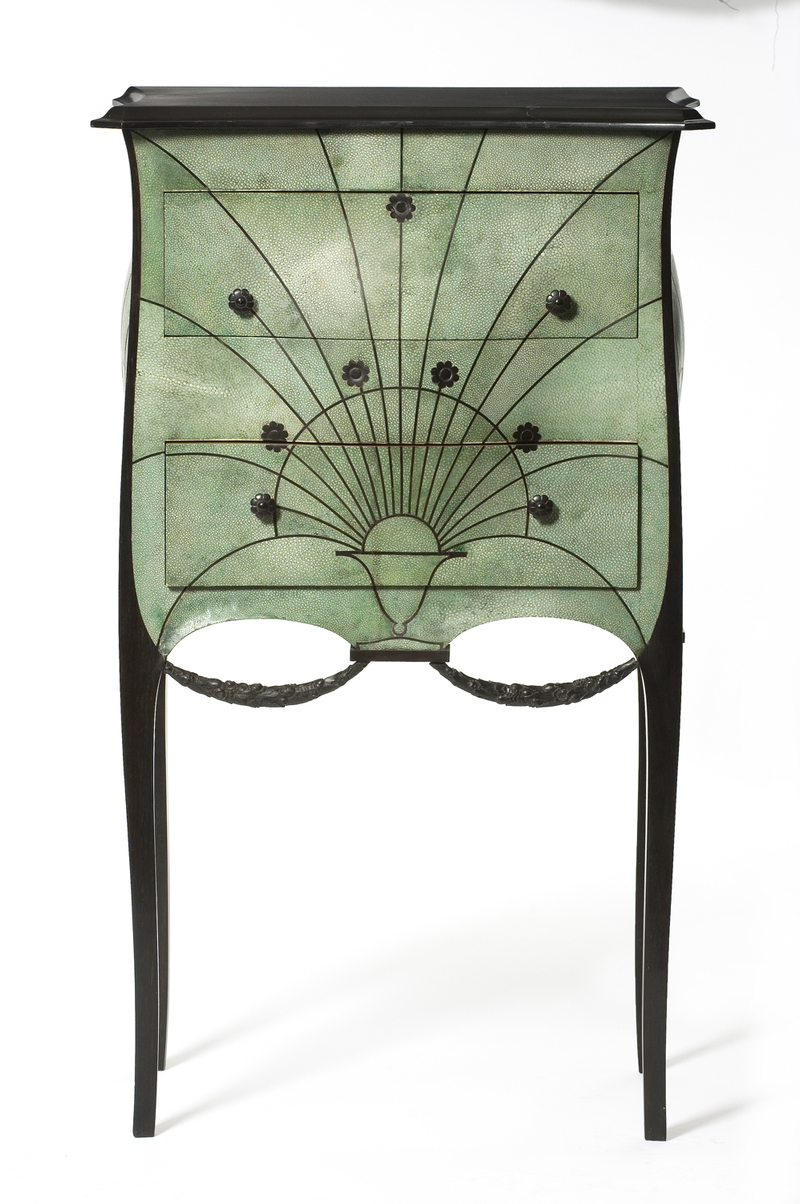
Shagreen – galuchat in French – is dried stingray skin. The use of this exceptional material dates back centuries in Asia, where it was appreciated it for its extreme durability and natural anti-slip texture by samurai warriors, who used it to wrap the handles (tsuka) and scabbards for their katana and tanto swords. Around 1748, Jean-Claude Galuchat developed a new process for sanding and dyeing the stingray skin (typically in a characteristic green shade). This treatment gave it a brilliant, lacquered appearance similar to expensive Japanese lacquerware. The sophisticated material became the height of fashion among the French aristocracy for covering small exquisite items, such as jewellery boxes or cases for scientific instruments. It enjoyed a strong revival with the Art Deco movement in 1920s Paris, where designers such as Clément Rousseau, Paul Iribe, André Groult and Emile-Jacques Ruhlmann covered entire pieces of furniture in white or coloured galuchat. Unfortunately, industry has since invented a tanning method that makes it possible to use the skins to make bags and shoes, which has led to overconsumption.

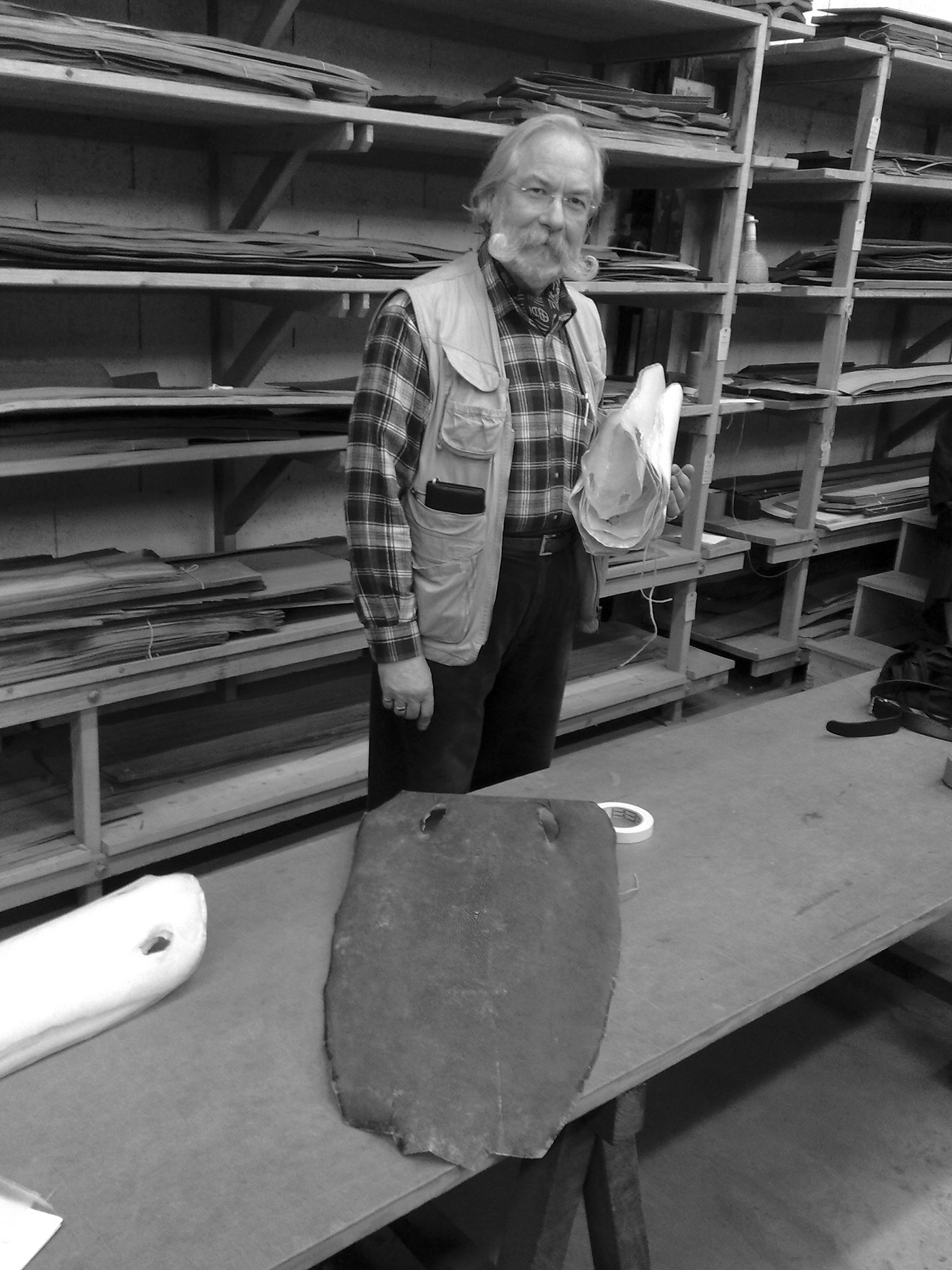
GALUCHAT STUDIES - PARIS
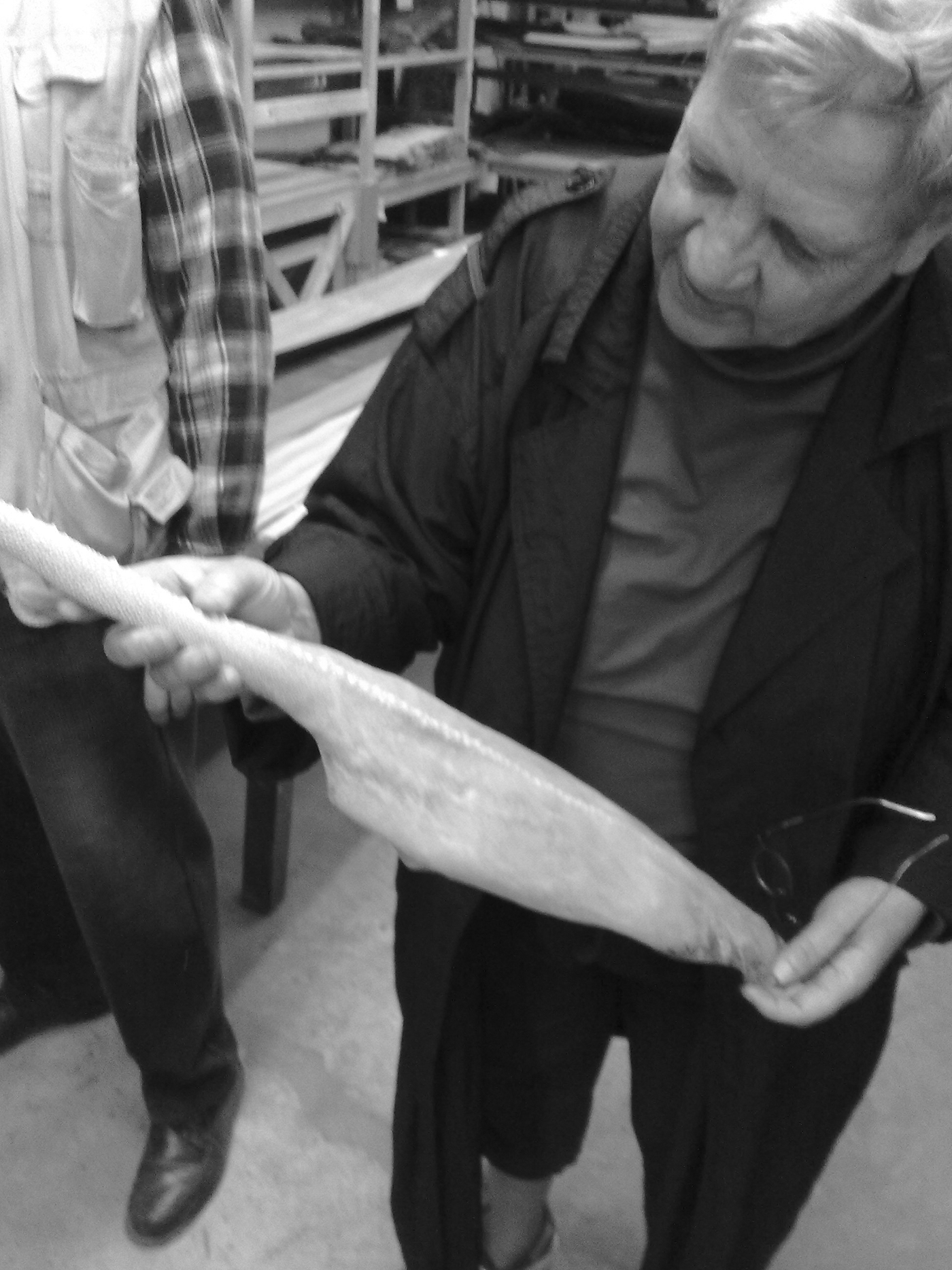
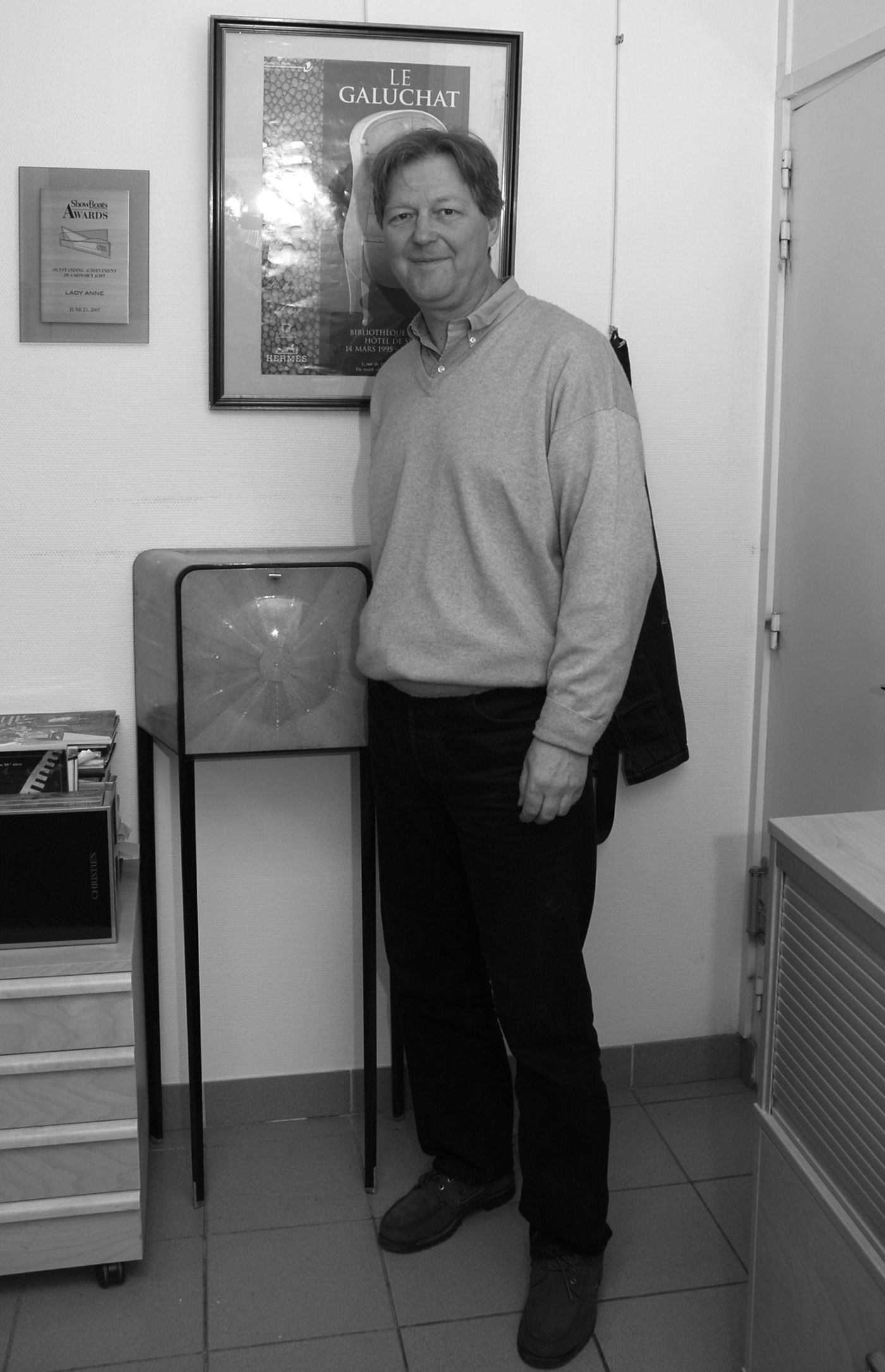
On a visit to Paris to study the great Art Deco masters, I visited several workshops and bought some of the rare materials. This photo is from Les Fils de J. George, the only firm in Paris that sells untanned stingray skins. The few French cabinetmakers who master the method are typically very secretive and were not willing to tell me what they do. Fortunately, I was able to visit Jean Perfettini, who has written several books on the topic and who explained the most significant details.
PROCES:
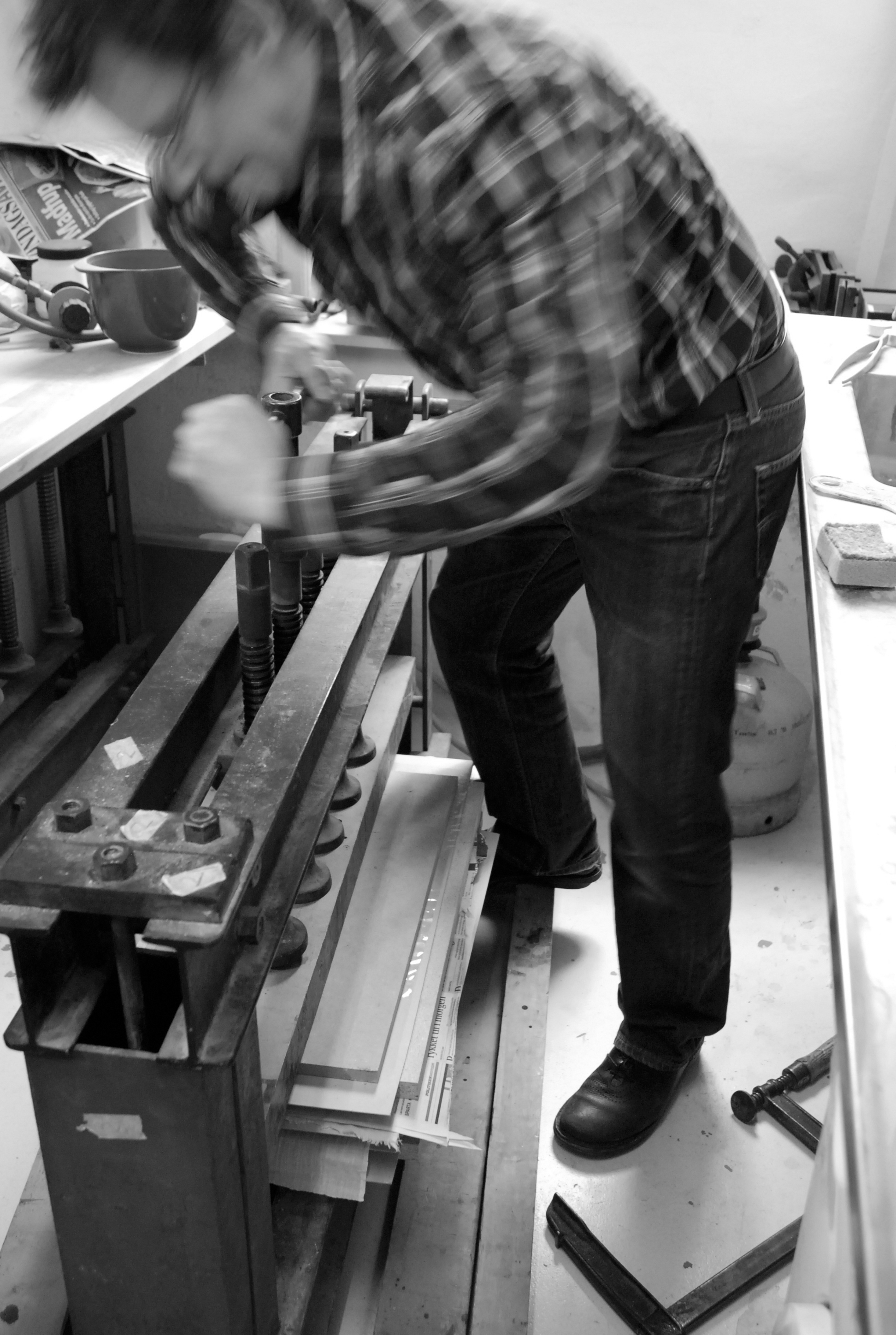
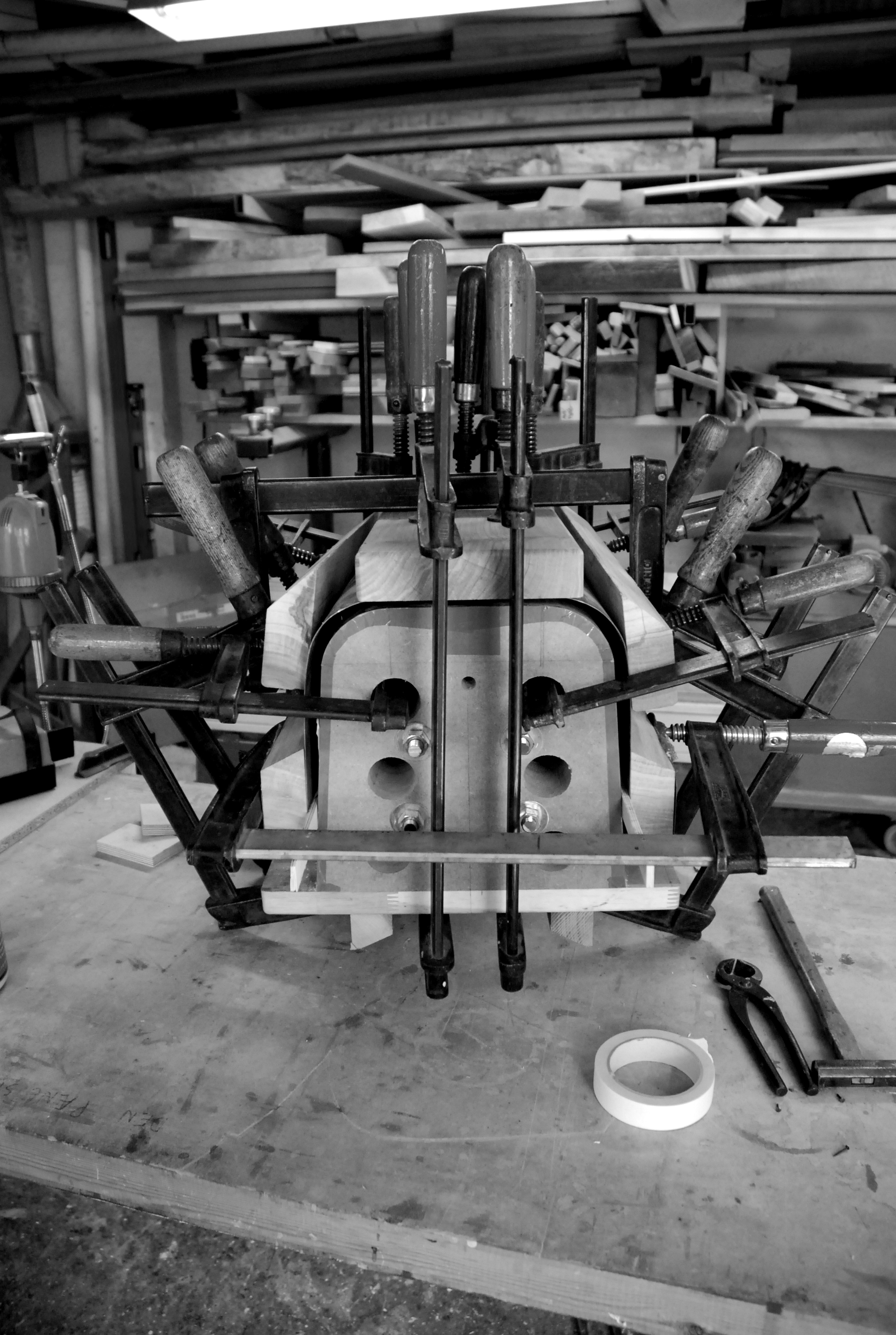
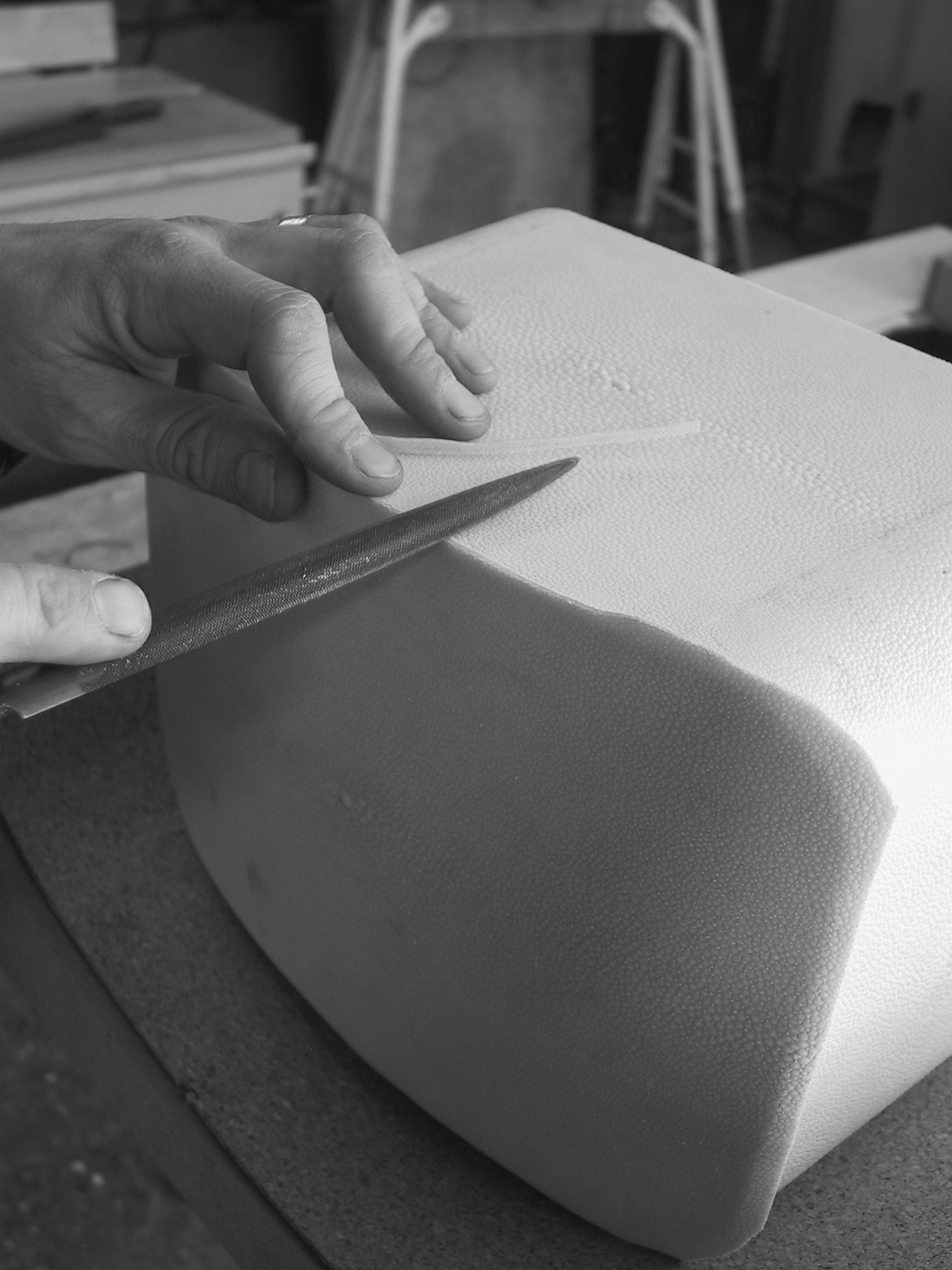
EXHIBITED:
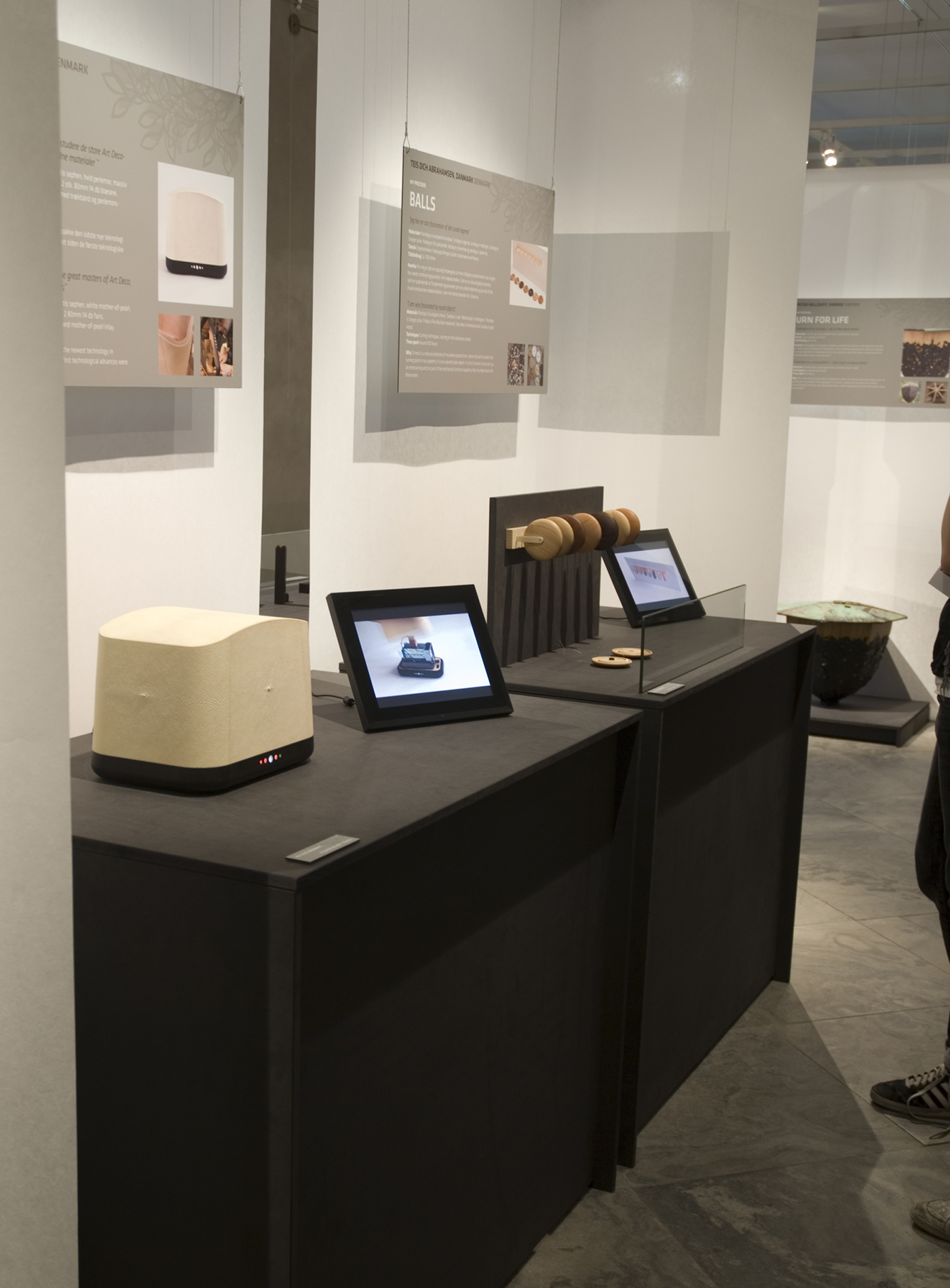

Measurements
Width:
30
cm
Height:
23
cm
Depth:
21
cm
Other
Type:
Computer Server
Material:
Dried Galuchat skins of the sort Dasyatis sephen, White mother-of-pearl, Ebony, 1 NAS server with 2 x 1 TB 3,5" harddrive and 2 80mm 14 db fans.